
Professional ear wax removal in Dungarvan, using gentle water irrigation, operated by registered nurse and earwax removal practitioner, Emily Cusack.

Location
Operating in Kelly’s Pharmacy
High Street Dungarvan, Co. Waterford
X35 XV10
Contact Emily on 085 194 8877
Page Navigation
- Pricing
- Who Should Avoid Ear Irrigation
- How to Prepare for Your Appointment
- Understanding Ear Irrigation
- Signs of Earwax Buildup
- The Function of Earwax
- Earwax Buildup
Pricing
Earwax removal: €65
Who Should Avoid Ear Irrigation
⚠️Ear water irrigation is NOT advisable if you have any of the following:
- Previously had complications during or following ear irrigation/syringing
- If you have had ear surgery in the past
- If you currently have an ear infection or had in the last six weeks
- If you have a perforation of your eardrum.
- If you have grommets or have had them removed in the past 18 months
- If you have had any discharge from your ear in the past year
- If you have a cleft palate (whether repaired or not)
- If you have pain in your ears or found to have inflamed ear canal
How to Prepare for Your Appointment
If you have a persistent problem with wax, using pure olive oil spray such as Earol® (or any pure olive oil earwax softener) softens the wax before water irrigation, aiding its removal. It is very important to use the oil for approx 5 to 7 days prior to the procedure or the wax may be too hard for removal resulting in another appointment. Please use the oil in both ears even if symptoms are only in one ear.
Here is our step-by-step guide in using olive oil spray:
How to use Earol® (or any olive oil spray)
Open the ear canal by gently lifting and pulling outwards on the upper ear.
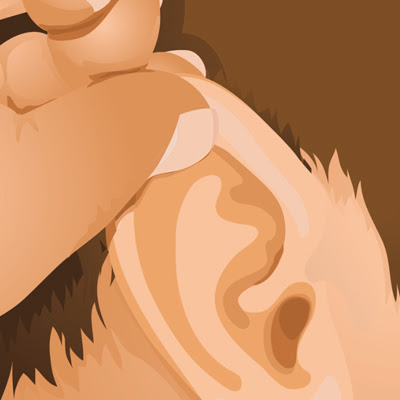
Spray Earol® twice into the blocked ear.

Massage the small bump on the outside of the ear, whilst moving the jaw up and down, and left to right. This helps Earol® adhere fully to the ear canal walls.
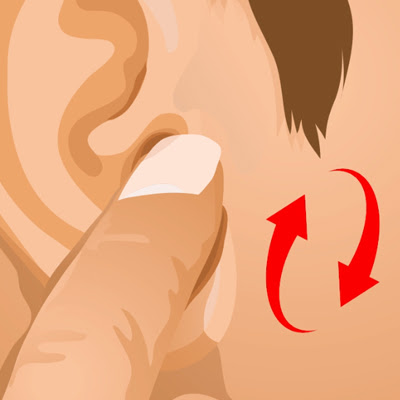
Apply Earol® twice daily for 5 – 7 days before wax removal, or once a week after wax removal as a preventative measure.
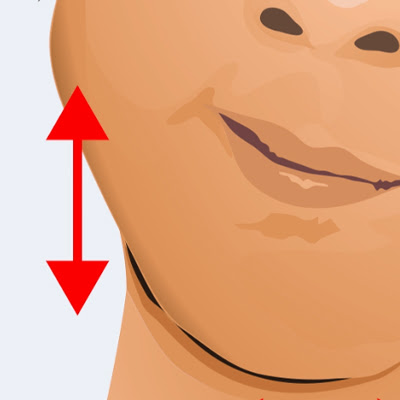
‼️Please avoid putting cotton wool in your ear canal as it will absorb the Earol®, making it less effective.
Following this simple process morning and evening, the oil softens, loosens and breaks up earwax, aiding in ease of removal during the procedure. Earol® can also be used to soothe itchy and irritable ears.
Understanding Ear Irrigation
What is Water Irrigation Earwax Removal?
Ear Irrigation refers to removing earwax using water. Unlike the older method of “syringing”, the water is delivered via an electronic irrigator machine, producing a gentle controlled, pulsed stream of water safely into the ear canal which is warm and comfortable.
What Happens During an Ear irrigation Procedure?
Before proceeding with the procedure, the ear canal will be examined to ensure your symptoms are caused by excess wax buildup or foreign materials and not something requiring a different healthcare professional.
Once confirmed, the procedure can go ahead using the most up to date equipment, the Projet water irrigator. This is an electric pump using the correct water pressure to gently circulate warm water around the ear canal to easily remove the stubborn earwax. Once the earwax is gone, immediate relief is felt.
Once the procedure is complete, the ear canal will be dried out and you’ll be provided with professional advice on how to help avoid a further buildup of earwax, and safely care for your ears in the future.
What are the Risks of Water Irrigation Earwax Removal?
This is a safe procedure, but we recommend it for the removal of soft ear wax only. If the earwax is hard, there is a risk of perforating the eardrum.
Some patients may feel dizzy after ear irrigation, but this quickly settles. Occasionally infection or inflammation can develop in the ear canal, causing some itching and discomfort, but this can be easily treated with ear drops. It is extremely rare for ear irrigation to cause damage to the ear or eardrum. But if you experience any ear pain, swelling or discharge, please get in touch with your doctor ASAP.
Signs of Earwax Buildup
Being aware of your ear health will allow you to better manage your hearing. The following signs and symptoms could indicate that you have an earwax buildup:
- Loss of hearing
- Earache
- Discomfort
- Discharge
- Ears feeling full
- Ringing and itching
- Loss of balance, dizziness
- Coughing
The Function of Earwax
You can’t prevent earwax, it’s a normal bodily secretion which provides protection for your ears, preventing dust, dirt and foreign bodies from entering the ear canal and causing damage to the eardrum or delicate lining of the canal itself.
Your ears are self-cleaning and to help prevent complications you shouldn’t insert small objects such as cotton buds into the ear canal. This will only push the wax further down the ear canal and block the ear.
Ear Wax Build-Up
Some people naturally have more earwax in their ears than others. However, you could also have excess earwax build-up because you have hairy or narrow ear canals, you’re older (wax gets harder and more difficult to fall out as you age) or because you wear hearing aids, earplugs, helmets and other devices which potentially push the wax further in.
A blockage can often cause several symptoms such as: earache, difficulty hearing, itchiness, dizziness, ear infections and tinnitus.
About Emily Cusack

Emily is a registered nurse with over 30 years’ experience and a trained earwax removal practitioner. She studied in London and has worked in many of the city’s major hospitals, including Chelsea and Westminster, Guy’s and St Thomas’, and St. Mary’s. Over the past decade, she moved into the private sector, working in Harley Street and Chelsea. In 2023, she returned home to Co. Waterford.





 The Earwax Clinic | Ear Wax Removal Dungarvan